
About
A small occupational therapy practice covering Adelaide and the country areas around it, started because the wait out here was the barrier, not the therapy.
Why we started
Out here the wait list is the barrier. People wait months for an assessment, wait again for the equipment, and by the time it lands the goal has moved. Regional referrals get declined quietly, because the drive does not fit anyone’s schedule.
Mallee Occupational Therapy exists to close that gap: assessments that come to you, regional distance built into the model rather than treated as an exception, and reports that set out the evidence a funder needs to make a decision.
We pride ourselves on being different, just like our clients. No two people arrive with the same day, the same home or the same goals, so no two assessments should read as though they do.
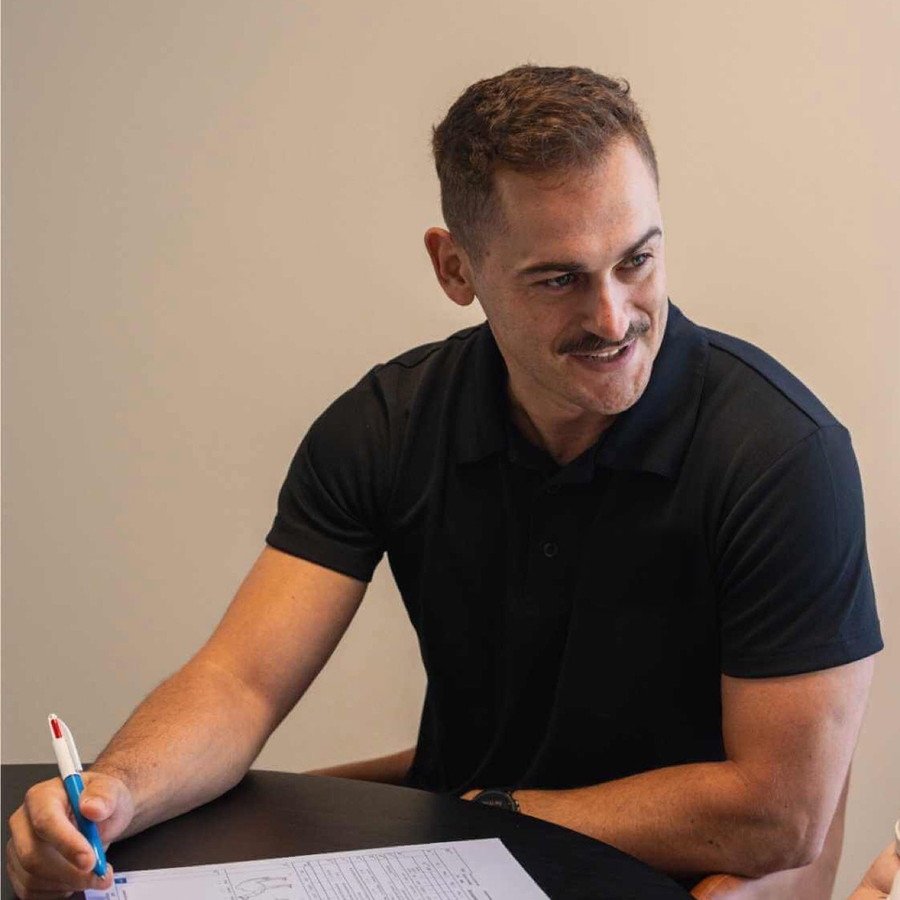
Where the experience
comes from
Simon Forby is the principal occupational therapist at Mallee, AHPRA registration OCC0002448468. Before Mallee, the work looked like this:
Thrive Health Therapies
Occupational Therapist, then Occupational Therapy Team Leader
Adult NDIS work: functional capacity assessments with housing recommendations, assistive technology assessment and reports, and minor home modifications. From late 2024, leading the OT team: mentoring therapists through both the clinical and operational side of their caseloads.
Central Adelaide Local Health Network
Occupational Therapist
Acute urgent care rotations at the Royal Adelaide and the Queen Elizabeth: orthopaedics, general medicine, general surgery, palliative care and oncology. Acute work teaches you to assess quickly and be right.
Barossa Hills Fleurieu Local Health Network
Occupational Therapist, community palliative care
Sole therapist in the country community palliative care team, supporting end-of-life care across the Gawler and Barossa regions. Being the only OT for a region is where you learn what regional access actually means.
Northern Adelaide Local Health Network
Occupational Therapist
Early-career acute urgent care at the Lyell McEwin: orthopaedics, general medicine and general surgery.
Acute hospitals, community palliative care in the country, and adult NDIS. That combination is why a Mallee assessment reads the way it does.
How we work
We come to you
Assessments happen where the difficulty actually is: at home, at work, in the community. A kitchen tells you more about meal preparation than a clinic room ever will.
Referrals are read by a therapist
Not triaged by a form. If we are not the right service, we will say so early rather than adding you to a list.
Reports are written for the decision they have to survive
A report describing someone on their best day is not evidence. Function gets described across good days and bad ones, because that is what a funder is actually being asked to fund.
Distance is part of the plan, not an exception
Country travel is built into how the practice runs. If we cannot get somewhere, we say so straight away rather than letting a referral sit.